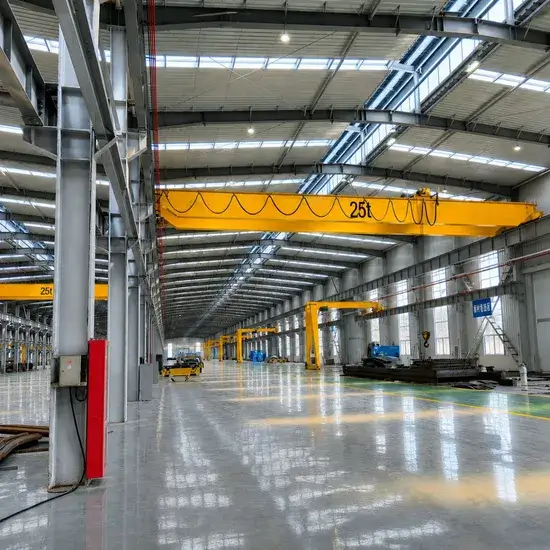
What Is an Overhead Crane? Types, Uses & Benefits
What Is an Overhead Crane? Types, Uses & Benefits
Overhead cranes—also known as bridge cranes—are essential lifting systems widely used in factories, warehouses, and heavy industries. They allow materials to be moved horizontally and vertically with precision, improving efficiency and safety.
What Is an Overhead Crane?
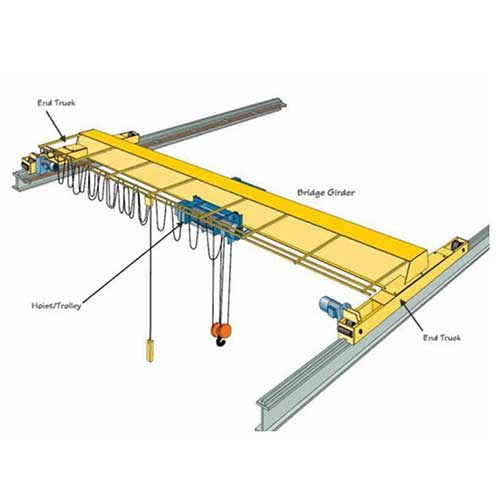
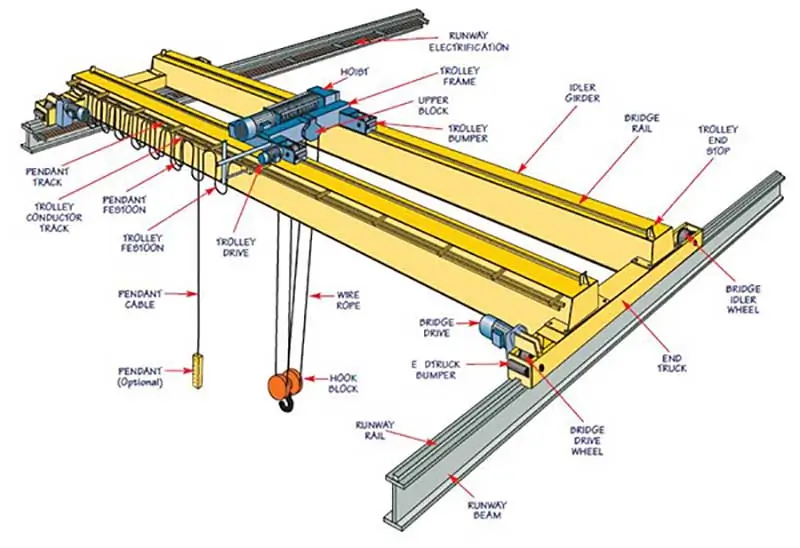
An overhead crane is a type of material handling equipment that travels along elevated rails, typically mounted on building structures or independent frames. It consists of:
-
Bridge – spans the workspace
-
Hoist – lifts and lowers loads
-
Trolley – moves the hoist horizontally
-
Runway beams – support the crane system
Unlike forklifts, overhead cranes don’t take up floor space, making them ideal for heavy-duty operations.
Types of Overhead Cranes (Global & China Market)
1. Single Girder Overhead Crane
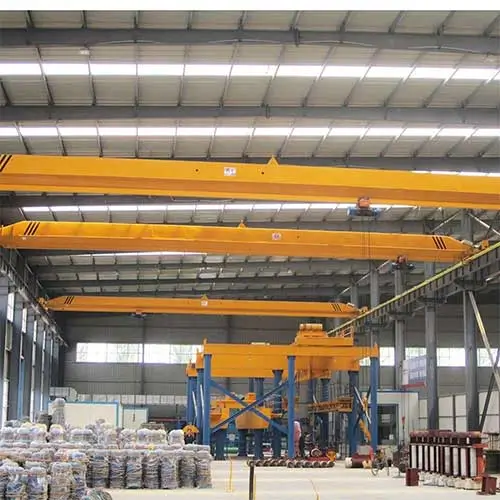
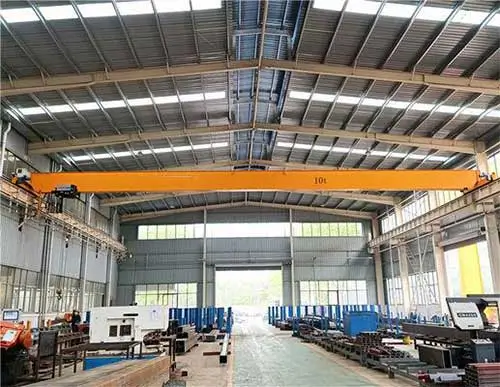
Overview:
A single girder crane uses one bridge beam and is typically equipped with an electric hoist.
Features:
-
Cost-effective
-
Easy installation
-
Suitable for light to medium loads (1–20 tons)
Applications:
Warehouses, workshops, small manufacturing plants
China vs Overseas:
-
China: Widely used with competitive pricing and customizable options
-
Overseas: Focus on energy efficiency and compliance standards (CE, FEM)
2. Double Girder Overhead Crane
Overview:
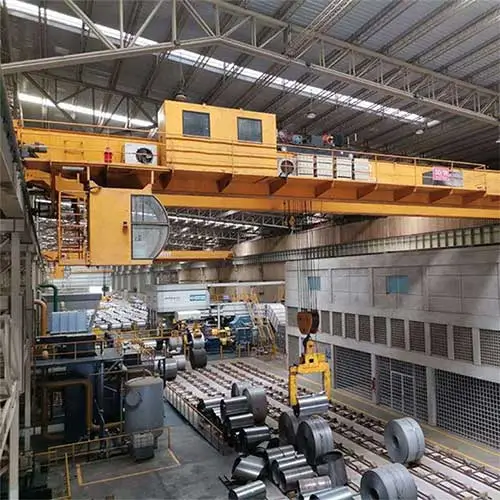
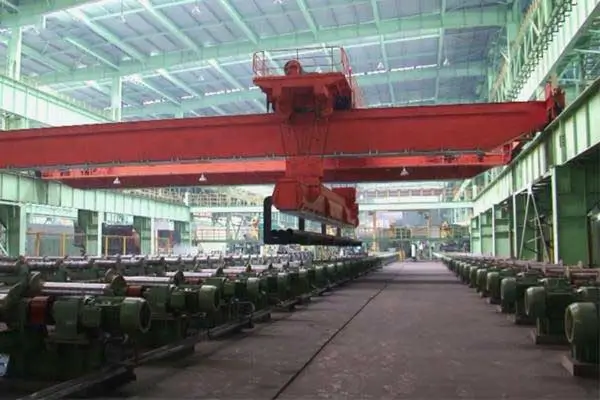
Built with two girders for higher load capacity and stability.
Features:
-
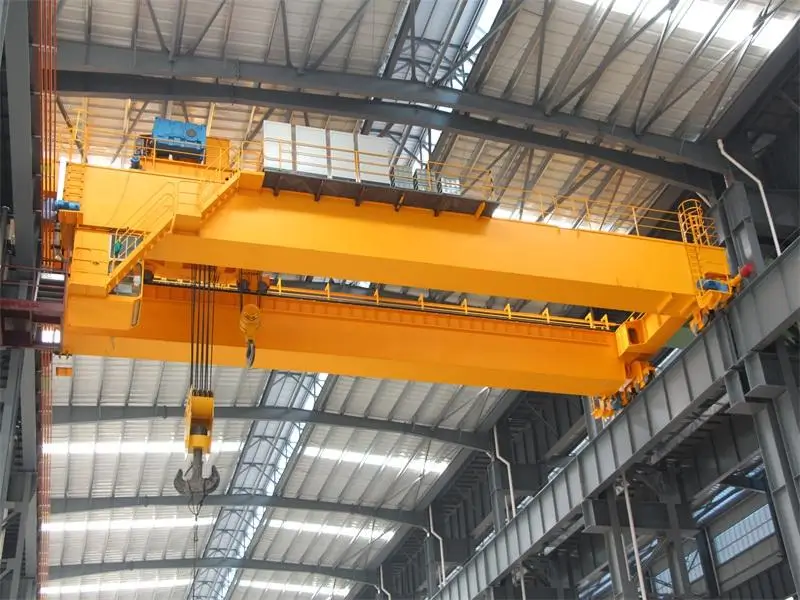
Handles heavy loads (20–500+ tons)
-
Higher lifting height
-
Suitable for harsh environments
Applications:
Steel plants, shipyards, heavy machinery factories
China vs Overseas:
-
China: Strong in heavy-duty manufacturing and cost advantage
-
Overseas: Advanced automation, smart control systems (e.g., anti-sway tech)
3. Top Running vs Under Running Cranes
Top Running Crane:
-
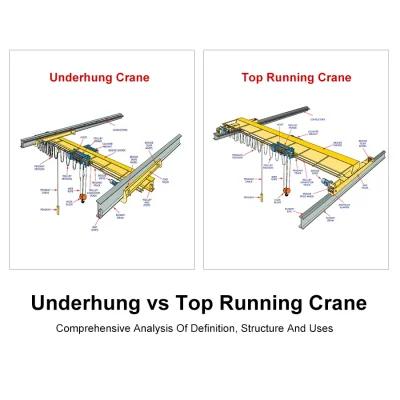
Runs on rails mounted on top of runway beams
-
Ideal for heavy loads and large spans
Under Running Crane (Underslung):
-
Suspended from the roof structure
-
Best for lighter loads and limited floor space
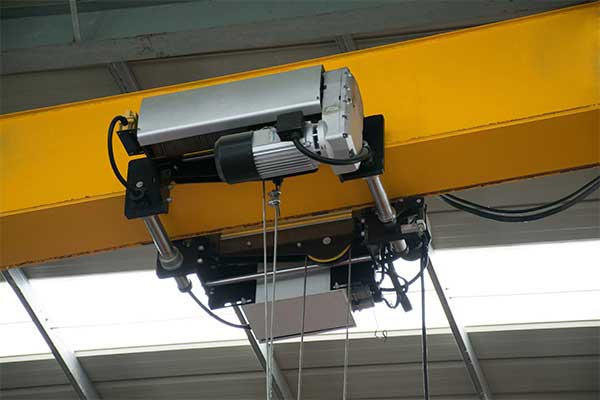
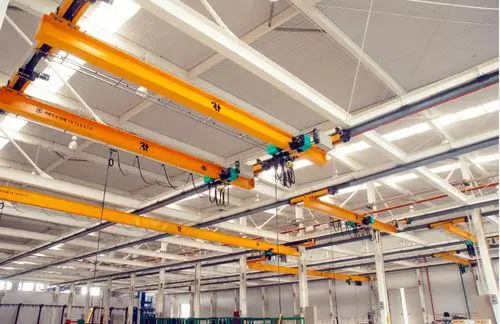
4. European-Style Overhead Crane
Features:
-
Lightweight design
-
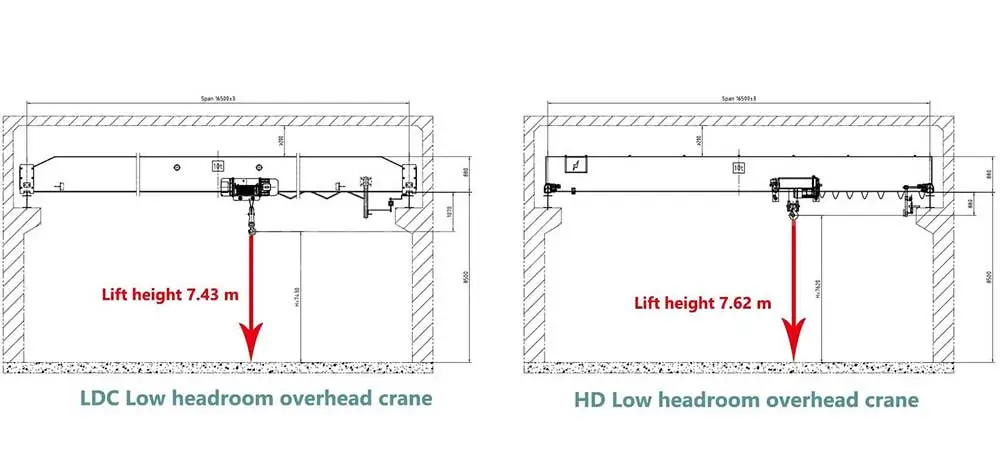
Low headroom (more lifting space)
-
Variable frequency drive (VFD) control
Trend:
Chinese manufacturers increasingly adopt European designs for export markets.
5. Smart & Automated Overhead Crane
Overview:
Next-generation cranes integrated with automation and IoT technologies.
Features:
-
Remote monitoring
-
Anti-sway technology
-
Positioning accuracy
-
Reduced labor cost
Applications:
Smart factories, logistics hubs, high-precision industries
Common Uses of Overhead Cranes
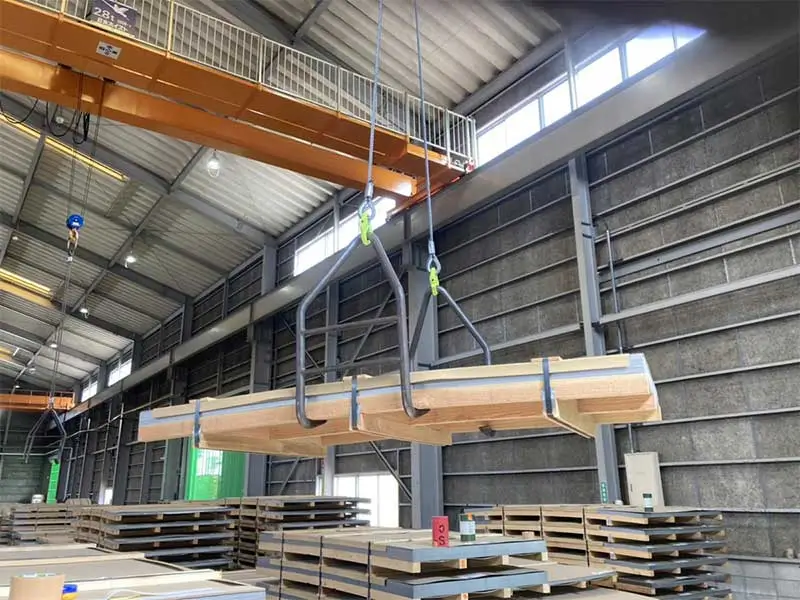
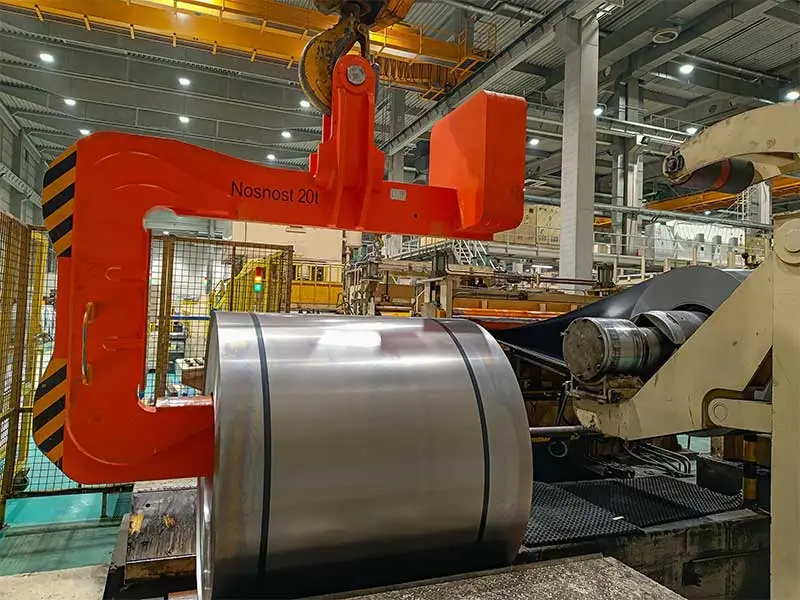
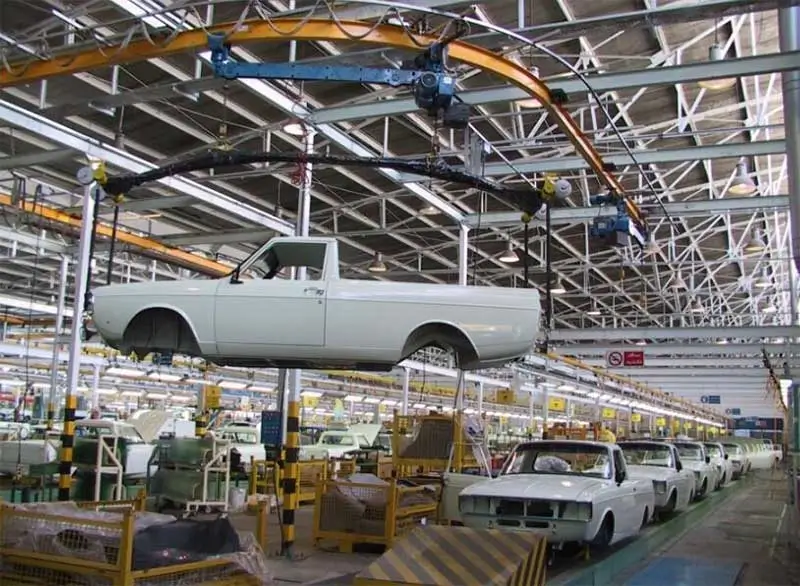
Overhead cranes are widely used in:
-
Manufacturing: Moving raw materials and finished products
-
Steel Industry: Handling coils, billets, and molten metal
-
Warehousing: Efficient goods transportation
-
Construction: Lifting heavy components
-
Automotive: Assembly line material handling
Benefits of Using Overhead Cranes
1. Increased Efficiency
-
Faster material handling compared to manual methods
-
Covers large working areas
2. Improved Safety
-
Reduces manual lifting risks
-
Equipped with limit switches and overload protection
3. Space Optimization
-
Frees up floor space
-
Ideal for crowded facilities
4. Cost Savings
-
Long-term reduction in labor costs
-
Durable with low maintenance
5. Versatility
-
Can be customized for different industries
-
Works indoors and outdoors
Final Thoughts
Overhead cranes are a cornerstone of modern industry. Whether you need a cost-effective single girder crane or a fully automated smart system, choosing the right type depends on your load capacity, workspace, and operational goals.
If you're targeting international markets, combining Chinese manufacturing advantages with European standards and smart technologies is the key trend shaping the future of overhead cranes.