Overhead Crane vs Gantry Crane: Which One Should You Choose?
Choosing between an overhead crane and a gantry crane can significantly impact your project efficiency, cost, and long-term operations. Both are widely used across global industries—but they serve different purposes depending on your workspace, load requirements, and budget.
This guide will help you clearly understand the differences and make the right choice.
What Is an Overhead Crane?
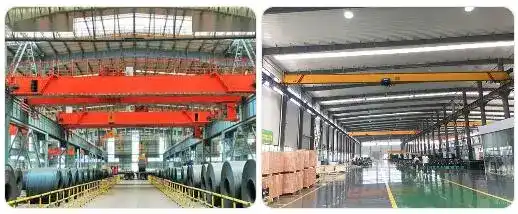
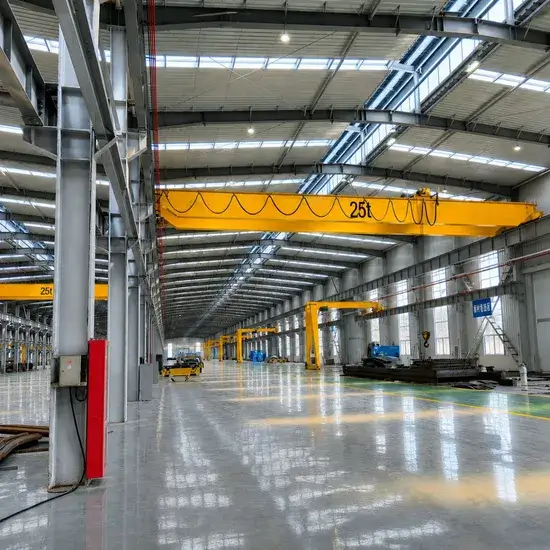
An overhead crane (bridge crane) operates on elevated rails installed on building structures. It moves loads across a fixed area with high precision.
Common Types (Global & China Market)
-
Single Girder Overhead Crane – cost-effective, light-duty
-
Double Girder Overhead Crane – heavy-duty, high capacity
-
Top Running Crane – for large spans and heavy loads
-
Under Running Crane – for limited space
-
European-Style Crane – compact, energy-efficient (FEM standard)
Best For:
-
Indoor factories
-
Steel plants
-
Manufacturing workshops
-
Warehouses with structural support
What Is a Gantry Crane?
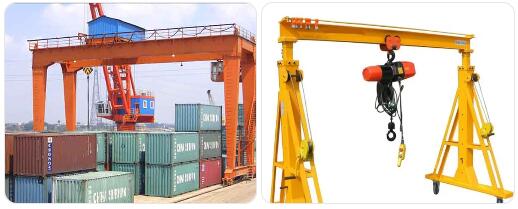
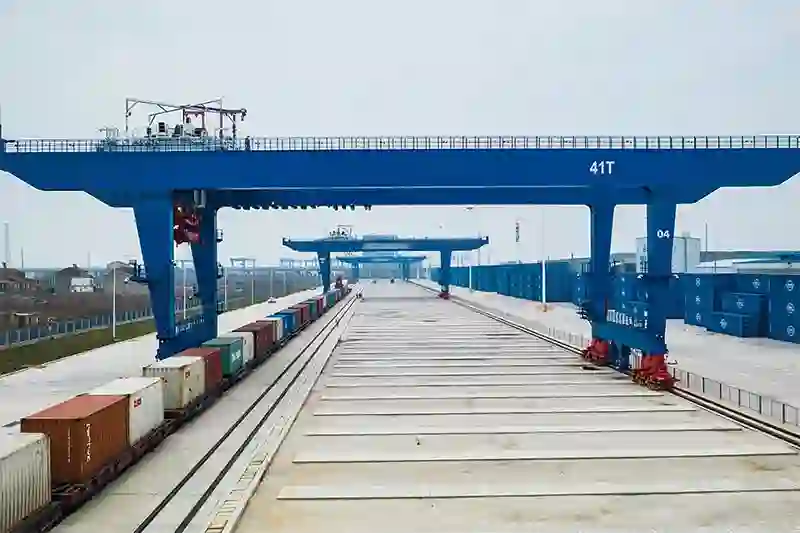
A gantry crane is supported by legs that move on wheels or rails on the ground. It does not rely on building structures.
Common Types (Global & China Market)
-
Full Gantry Crane – heavy-duty outdoor use
-
Semi-Gantry Crane – hybrid structure (rail + building)
-
Portable Gantry Crane – small, mobile, flexible
-
RTG (Rubber Tyred Gantry Crane) – container handling, high mobility
-
RMG (Rail Mounted Gantry Crane) – automated, high precision
-
European-Style Gantry Crane – lightweight, energy-efficient
Best For:
-
Outdoor yards
-
Ports and container terminals
-
Construction sites
-
Flexible or temporary operations
Key Differences: Overhead Crane vs Gantry Crane
| Feature | Overhead Crane | Gantry Crane |
|---|---|---|
| Structure | Mounted on building | Supported by legs on ground |
| Installation | Requires runway beams | No building support needed |
| Mobility | Fixed path | Flexible / movable |
| Cost | Higher installation cost | Lower infrastructure cost |
| Best Environment | Indoor | Indoor + Outdoor |
| Load Capacity | Medium to ultra-heavy | Light to ultra-heavy |
China vs Overseas: Design & Trends
???????? China Manufacturers
-
Strong in cost-effective production
-
Fast delivery and customization
-
Wide range: from portable to ultra-heavy cranes
Overseas (Europe/US)
-
Focus on automation & safety
-
Advanced features:
-
Anti-sway control
-
Remote monitoring
-
Energy-saving systems
-
-
Compliance with FEM, OSHA, CE standards
Trend:
Chinese suppliers are increasingly combining low cost + European technology
Which One Should You Choose?
Choose an Overhead Crane if:
-
You have a factory building with support structure
-
You need high efficiency & frequent lifting
-
Space optimization is critical
-
Loads are heavy and repetitive
✔ Example:
Steel plants, manufacturing lines, indoor warehouses
Choose a Gantry Crane if:
-
You work outdoors or in open yards
-
You need mobility and flexibility
-
You want lower installation cost
-
Your project is temporary or expandable
✔ Example:
Construction sites, ports, rail yards
Real-World Use Cases
-
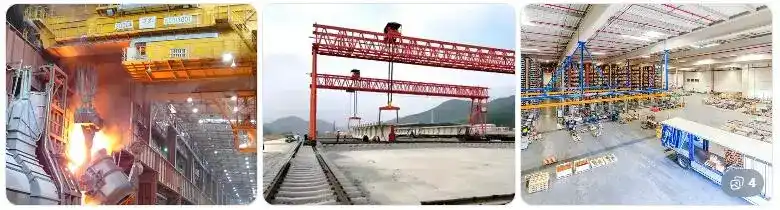
Manufacturing: Overhead crane for assembly lines
-
Steel Industry: Double girder overhead crane for heavy loads
-
Ports: RTG/RMG gantry cranes for container handling
-
Construction: Gantry cranes for precast components
Cost Comparison (General Guide)
| Type | Cost Level |
|---|---|
| Single Girder Overhead | $$ |
| Double Girder Overhead | $$$$ |
| Portable Gantry Crane | $ |
| Full Gantry Crane | $$$ |
| RTG / RMG | $$$$+ |
Note:
Actual prices depend on capacity, span, lifting height, and customization
Final Thoughts
Both overhead cranes and gantry cranes are essential in modern industry—but they serve different needs.
Simple rule:
-
Fixed indoor operation → Overhead Crane
-
Flexible outdoor operation → Gantry Crane
Pro Tip for Buyers (Very Important)
Instead of asking:
“Which crane is better?”
You should ask:
✔ Load capacity (tons)?
✔ Span & lifting height?
✔ Indoor or outdoor?
✔ Frequency of use?
These determine the right crane—not the type alone