
Overhead Crane CMAA, ASME and FEM Work Cycle Standards Explained
Overhead cranes are widely used in manufacturing, metallurgy, power plants, warehousing, logistics and port handling. To ensure safety, reliability and long-term performance, cranes must comply with international design and work cycle standards. The most commonly referenced standards include CMAA (USA), ASME (USA) and FEM (Europe). Understanding the differences between them helps users choose the correct crane duty class based on operational needs.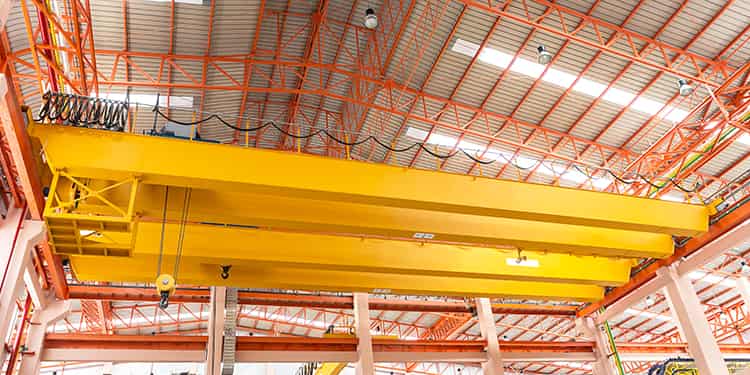
1. What Are Crane Work Cycle Standards?
Work cycle standards define how often and how intensively a crane is used. This includes:
-
Daily operating hours
-
Load spectrum and average lifting weight
-
Frequency of start/stop and lifting cycles
-
Expected service life and maintenance level
Correct classification ensures the crane structure, motors, and mechanical components match real workload demands—improving safety and reducing downtime.
2. CMAA Crane Duty Classification (USA)
CMAA (Crane Manufacturers Association of America) publishes two key design specs:
-
CMAA 70 – Overhead and Gantry Cranes
-
CMAA 74 – Electric Overhead Traveling Cranes
CMAA classifies cranes from Class A to F:
| CMAA Class | Duty Level | Application Example |
|---|---|---|
| Class A | Standby/rare use | Power plant inspection cranes |
| Class B | Light duty | Maintenance workshops |
| Class C | Moderate duty | Machine shops, assembly lines |
| Class D | Heavy duty | Steel plants, continuous production |
| Class E | Severe duty | Scrap yards, heavy cycling |
| Class F | Continuous severe duty | Critical process cranes |
3. ASME Standard Overview
ASME (American Society of Mechanical Engineers) focuses on safety, manufacturing, inspection and operation guidelines, mainly:
-
ASME B30 series
-
Design requirements for hoists, overhead cranes & lifting components
-
Covers installation, inspection, maintenance and personnel safety
ASME ensures safe usage but CMAA focuses more on design duty and classification.
4. FEM Crane Classification (Europe)
FEM (European Federation of Materials Handling) defines work groups based on mechanism duty and load spectrum:
| FEM Group | Equivalent Use | Characteristics |
|---|---|---|
| FEM 1Bm / 1Am | Light | Low frequency, low load |
| FEM 2m | Medium | General industry manufacturing |
| FEM 3m | Heavy | Frequent use with high load |
| FEM 4m | Very heavy | Continuous heavy lifting |
FEM rating directly affects motor power, gearbox grade, fatigue strength and lifecycle design.
5. CMAA vs ASME vs FEM – Key Differences
| Standard | Region | Focus Area | Classification Style |
|---|---|---|---|
| CMAA | USA | Design & service class | A–F crane duty class |
| ASME | USA | Safety, inspection & operation | Safety-focused rules |
| FEM | EU | Mechanism work cycle & fatigue | 1Bm–4m load spectrum |
6. How to Choose the Right Crane Standard?
When selecting an overhead crane, consider:
-
Daily usage time and work frequency
-
Load weight distribution and average loading
-
Industrial environment (dust, heat, corrosive)
-
Lifespan and maintenance expectations
For example:
-
Warehouse handling = CMAA Class C / FEM 2m
-
Steel mill casting cranes = CMAA Class E/F / FEM 4m
-
Assembly workshop = CMAA Class C-D / FEM 2m-3m
Choosing the right duty rating prevents overuse and reduces maintenance cost.
CMAA, ASME and FEM work cycle standards provide clear guidelines for overhead crane design, safety and classification. Understanding these standards allows engineers and procurement teams to select the most suitable crane configuration for industrial applications. A well-matched duty class improves productivity, stability, and long-term operational value.
For warehouse lifting solutions, a 5 ton overhead crane for warehouse is a cost-effective option for most industrial facilities.


